
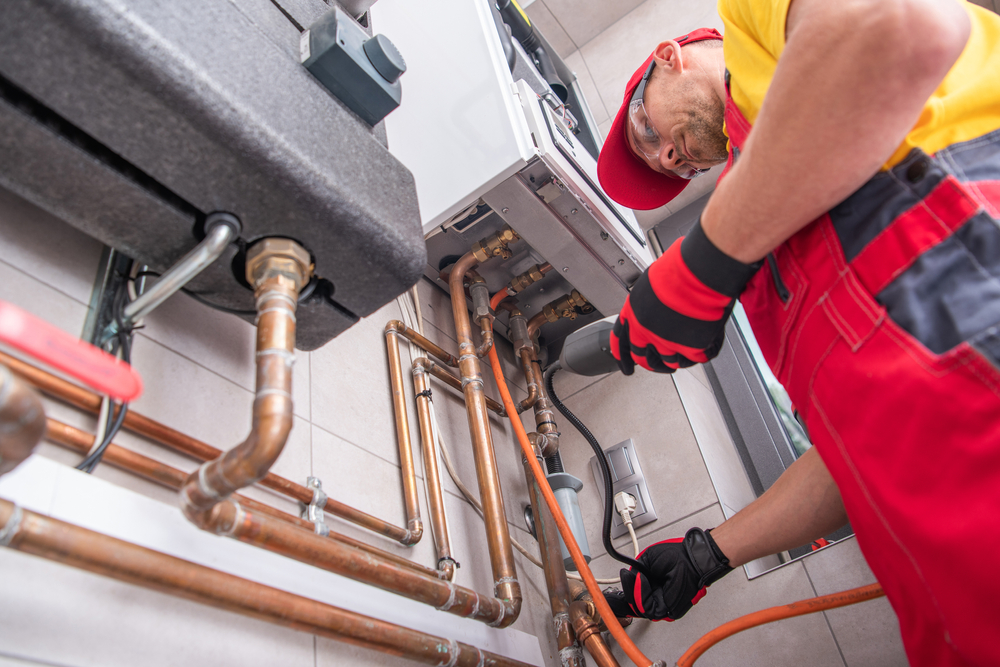
Michigan winters can be extremely harsh, with temperatures often dropping well below freezing. During these cold months, a reliable heating system is not just a luxury—it is a necessity for maintaining comfort and safety in homes and businesses. Your furnace works hard throughout the winter season to keep indoor temperatures warm, and without proper maintenance, it can become less efficient or even fail when you need it most.
Regular furnace maintenance is essential for ensuring that your heating system operates efficiently, safely, and reliably throughout the winter months. By taking a few preventive steps and scheduling routine inspections, homeowners and business owners can avoid unexpected breakdowns and costly repairs. Below are some important tips to help maintain your furnace during Michigan winters.
Replace or Clean Furnace Filters Regularly
One of the simplest yet most important steps in furnace maintenance is replacing or cleaning the air filters. Furnace filters trap dust, dirt, and other airborne particles to keep the air inside your home clean. Over time, these filters become clogged, restricting airflow and forcing the furnace to work harder than necessary.
A clogged air filter can reduce heating efficiency, increase energy bills, and even cause the furnace to overheat. During the winter months, it is recommended to check your furnace filter at least once every 30 days and replace it if it appears dirty. In homes with pets or high dust levels, filters may need to be changed even more frequently.
Keeping the filter clean helps improve airflow, maintain proper heating performance, and extend the lifespan of the furnace.
Inspect and Clean Air Vents and Registers
Air vents and registers allow warm air to circulate throughout your home or building. If these vents become blocked by furniture, rugs, or dust buildup, the furnace may struggle to distribute heat evenly.
Take time to inspect all vents and registers in your home to ensure they are open and unobstructed. Dust and debris should also be cleaned from the vent covers to maintain proper airflow.
Blocked vents can cause uneven heating and force the furnace to work harder than necessary, which increases wear and tear on the system. Proper airflow ensures that your heating system operates efficiently and maintains consistent temperatures throughout your space.
Check the Thermostat Settings
Your thermostat plays a crucial role in controlling the heating system. If the thermostat is not functioning properly, it can lead to inaccurate temperature readings and unnecessary furnace operation.
Ensure that your thermostat is set to the correct heating mode and that the temperature is adjusted appropriately for comfort and efficiency. If your home still uses an older manual thermostat, upgrading to a programmable or smart thermostat can help improve energy efficiency.
Programmable thermostats allow you to automatically adjust temperatures during the day and night, reducing energy usage while maintaining comfortable indoor conditions. This can significantly lower heating costs during the long Michigan winter season.
Inspect the Furnace Flame
If your furnace uses natural gas, it is important to occasionally inspect the burner flame. A properly functioning furnace should produce a steady blue flame. If the flame appears yellow, flickering, or uneven, it could indicate problems with the burner or gas supply.
A yellow flame may also signal incomplete combustion, which can potentially lead to carbon monoxide production. Carbon monoxide is a colorless, odorless gas that can be extremely dangerous.
If you notice unusual flame colors or irregular burner behavior, it is important to contact a professional HVAC technician immediately to inspect the system and ensure it is operating safely.
Keep the Area Around the Furnace Clean
Furnaces require adequate airflow and ventilation to operate safely and efficiently. It is important to keep the area around the furnace free of clutter, storage items, and flammable materials.
Boxes, cleaning supplies, and other household items should be kept away from the furnace to prevent fire hazards and ensure proper airflow. A clean furnace area also allows technicians easier access during maintenance inspections.
Keeping the furnace space organized and clear helps maintain safe operation and reduces potential risks during winter heating months.
Listen for Unusual Noises
Furnaces typically produce a low humming sound during normal operation. However, if you begin to hear unusual noises such as banging, rattling, squealing, or grinding, it may indicate a problem within the heating system.
These sounds can be caused by loose components, worn-out belts, motor problems, or airflow issues. Ignoring unusual noises can lead to more serious mechanical problems and eventual system failure.
If you notice persistent or unusual sounds coming from your furnace, it is best to have the system inspected by a qualified technician before the issue becomes more severe.
Check Carbon Monoxide Detectors
Because many furnaces operate using natural gas or propane, it is essential to have functioning carbon monoxide detectors installed in your home. Carbon monoxide is a dangerous gas that can be produced if a furnace is not burning fuel properly.
Install carbon monoxide detectors near sleeping areas and on every level of the home. Test these detectors regularly and replace batteries as needed to ensure they are functioning properly.
This small safety step can provide peace of mind and help protect your family during the heating season.
Schedule Professional Furnace Maintenance
While homeowners can perform basic maintenance tasks, professional furnace inspections are crucial for ensuring the system operates safely and efficiently. A licensed HVAC technician can perform a thorough inspection and identify potential issues before they lead to system failure.
Professional maintenance typically includes:
• Inspecting and cleaning burner components
• Checking electrical connections
• Testing thermostat performance
• Inspecting heat exchangers for cracks
• Cleaning condenser and blower components
• Checking airflow and system efficiency
Scheduling annual furnace maintenance before winter begins can help ensure that your heating system is prepared to handle the cold temperatures Michigan winters bring.
Keep an Eye on Energy Bills
An unexpected increase in heating costs can sometimes indicate that your furnace is operating inefficiently. If your energy bills suddenly rise without a change in temperature or usage, the heating system may be working harder than necessary.
Issues such as dirty components, clogged filters, aging equipment, or mechanical wear can cause the furnace to lose efficiency over time. Monitoring energy usage can help detect potential problems early and prevent costly repairs later.
Know When It’s Time for Furnace Repair or Replacement
Even with regular maintenance, furnaces eventually reach the end of their lifespan. Most furnaces last between 15 to 20 years depending on usage and maintenance. If your furnace frequently requires repairs, struggles to maintain temperature, or becomes inefficient, it may be time to consider replacement.
A professional HVAC technician can evaluate the system and determine whether repair or replacement is the most cost-effective option. Upgrading to a newer energy-efficient furnace can significantly reduce heating costs and improve comfort during Michigan winters.
Conclusion
Maintaining your furnace during Michigan winters is essential for ensuring reliable heating, energy efficiency, and indoor comfort. Regular tasks such as replacing air filters, cleaning vents, checking thermostats, and monitoring system performance can prevent many common heating problems.
By combining routine homeowner maintenance with professional inspections, you can keep your furnace running efficiently throughout the winter season. Taking these preventive steps not only extends the lifespan of your heating system but also helps avoid unexpected breakdowns when temperatures drop.
A well-maintained furnace ensures that your home or business remains warm, safe, and comfortable no matter how cold the Michigan winter becomes.