
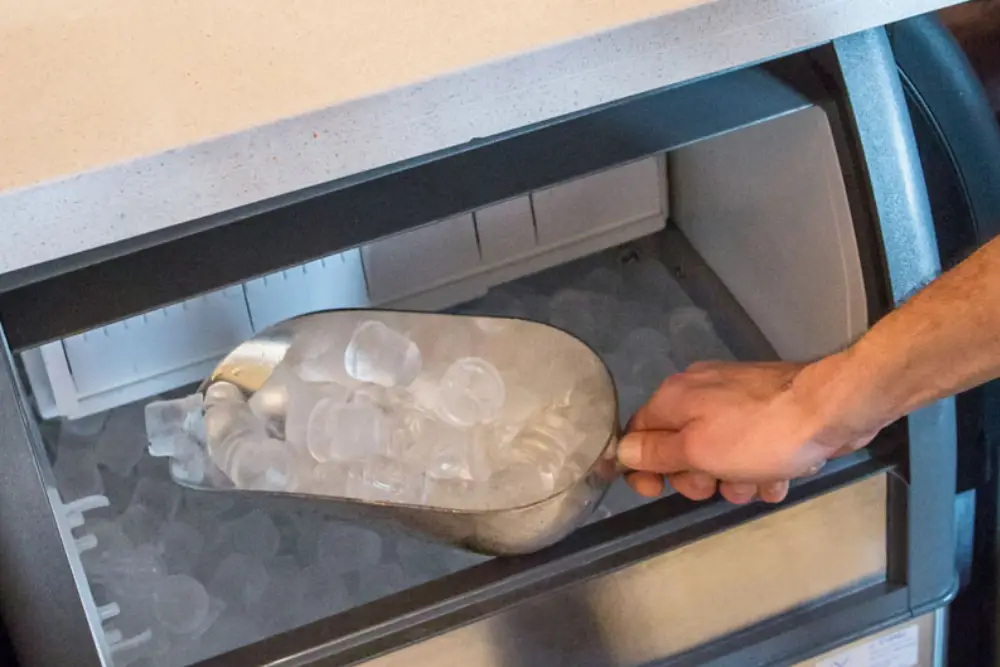
Ice machines are essential for many businesses, including restaurants, bars, hotels, hospitals, convenience stores, and food service facilities. A reliable ice machine ensures that customers are served quickly and that beverages and food items remain properly chilled. However, like any commercial equipment, ice machines can experience operational issues over time.
When an ice machine stops working or begins producing poor-quality ice, it can disrupt daily operations and affect customer satisfaction. Understanding the most common ice machine problems and knowing how to prevent them can help businesses maintain efficiency and avoid costly downtime.
Below are some of the most common issues that occur with commercial ice machines and what you can do to prevent them.
Ice Machine Not Producing Ice
One of the most common issues businesses encounter is an ice machine that stops producing ice entirely. This problem can occur for several reasons, including water supply issues, clogged filters, or malfunctioning internal components.
If the water line connected to the ice machine becomes blocked or the water filter is clogged, the machine will not receive enough water to produce ice. In other cases, a malfunctioning water inlet valve or faulty control board may interrupt the ice-making process.
To prevent this issue, it is important to regularly inspect the water supply line and replace water filters according to manufacturer recommendations. Ensuring a consistent water supply helps maintain steady ice production and prevents unnecessary strain on the machine.
Slow Ice Production
Another common problem is when the ice machine continues to produce ice but at a much slower rate than usual. This can cause shortages during busy hours and affect business operations.
Slow ice production can occur when condenser coils become dirty or when airflow around the machine is restricted. Dust, grease, and debris can accumulate on the condenser coils over time, reducing the machine’s ability to release heat efficiently.
To prevent this issue, condenser coils should be cleaned regularly to allow proper airflow and cooling. Keeping the surrounding area around the ice machine clean and unobstructed also helps maintain optimal performance.
Poor Ice Quality
Ice quality is just as important as ice production. If the ice appears cloudy, soft, or has an unusual taste or odor, it may indicate a problem with water quality or internal contamination.
Poor ice quality can occur when the water filter is dirty, when mineral buildup accumulates inside the machine, or when the unit has not been cleaned regularly. Contaminants and bacteria can also affect the taste and appearance of ice.
Regular cleaning and sanitization of the ice machine are essential for maintaining high-quality ice production. Replacing water filters and scheduling routine maintenance can help ensure the ice remains clean and safe for consumption.
Ice Machine Leaking Water
Water leaks around an ice machine can create safety hazards and indicate underlying mechanical issues. Leaks may be caused by clogged drain lines, damaged water supply hoses, or malfunctioning water pumps.
When the drainage system becomes blocked, water can back up inside the machine and eventually leak onto the floor. Over time, this can lead to structural damage or slippery conditions in work areas.
Preventing leaks involves regularly checking drainage lines for blockages and ensuring that all hoses and connections remain secure. If leaks persist, a professional technician should inspect the system to identify and repair the problem.
Ice Machine Producing Small or Misshaped Ice
When an ice machine begins producing smaller-than-normal ice cubes or irregularly shaped ice, it often indicates issues with water flow or freezing cycles. Insufficient water supply can cause ice cubes to form improperly or fail to reach their full size.
Mineral buildup on internal components such as the evaporator plate can also interfere with proper ice formation. Hard water minerals can accumulate inside the system and reduce efficiency over time.
Regular descaling and water filter replacement can help prevent mineral buildup and maintain consistent ice production.
Ice Machine Freezing Up
In some cases, ice machines can freeze up internally, preventing proper operation. Ice buildup inside the machine can block moving components and restrict water flow.
This issue is often caused by faulty thermostats, damaged sensors, or airflow problems. When the machine cannot regulate temperature properly, excessive freezing may occur.
Regular inspections and professional maintenance can help detect faulty sensors or temperature control problems before they lead to major operational failures.
Unusual Noises During Operation
Ice machines typically operate quietly with minimal noise. However, if you begin hearing grinding, rattling, or loud mechanical sounds, it may indicate a mechanical issue inside the machine.
These noises can be caused by worn-out motors, loose components, or failing compressor parts. Ignoring these sounds may lead to more severe damage or complete equipment failure.
If unusual noises persist, it is best to have the machine inspected by a professional technician who can identify the source of the problem.
Ice Machine Not Dispensing Ice
Some commercial ice machines include built-in dispensers that deliver ice directly to users. When these dispensers stop working, it may be due to mechanical blockages, jammed ice, or electrical issues.
Ice can sometimes clump together inside the bin, preventing proper dispensing. In other cases, faulty sensors or motors may prevent the dispensing system from operating correctly.
Regular cleaning of the ice bin and inspection of dispensing components can help prevent blockages and maintain smooth operation.
Importance of Regular Cleaning
One of the most important aspects of maintaining an ice machine is regular cleaning and sanitization. Ice machines operate in environments where moisture is constantly present, making them susceptible to mold, bacteria, and mineral buildup.
Health regulations often require commercial ice machines to be cleaned regularly to ensure food safety standards are met. Neglecting proper cleaning can lead to contamination and reduced machine performance.
Routine cleaning should include removing mineral deposits, sanitizing internal surfaces, and inspecting water filters and drainage systems.
Professional Ice Machine Maintenance
While basic cleaning and filter replacement can be handled by staff, professional maintenance is essential for keeping commercial ice machines in optimal condition. Experienced technicians can inspect internal components, test system performance, and identify potential issues before they lead to major repairs.
Professional maintenance services often include checking refrigeration systems, inspecting compressors, cleaning condenser coils, and ensuring proper electrical connections. These routine inspections help extend the lifespan of the equipment and maintain reliable ice production.
Preventing Ice Machine Breakdowns
Preventive maintenance is the best way to avoid unexpected ice machine failures. Businesses that rely heavily on ice machines should establish a regular maintenance schedule to ensure consistent performance.
Key preventive steps include:
• Cleaning the machine regularly
• Replacing water filters as recommended
• Inspecting water supply and drainage systems
• Keeping condenser coils clean
• Scheduling professional service inspections
By taking these proactive steps, businesses can minimize downtime and avoid costly emergency repairs.
Conclusion
Ice machines are a critical part of many commercial operations, especially in the food and hospitality industries. When problems arise, they can quickly disrupt service and lead to lost revenue.
Understanding common ice machine problems—such as slow production, poor ice quality, water leaks, and mechanical issues—can help businesses recognize early warning signs and address them before they become major failures.
Regular cleaning, preventive maintenance, and professional servicing are key to ensuring reliable ice machine performance. By maintaining your equipment properly, you can keep your business running smoothly and ensure that your customers always have access to clean, high-quality ice.